An Overview
Magic is complex and integral to the existence of Lendahnna. While some may think that Magic is simply anything that cannot be explained it is far from it. It is deeply complex, and systematically formative to Lendahnna and the Planes of Existence. In comparison to our real world most magic can be thought of as similar to chemistry or physics. It is capable of being studied and pushed. All of which requires work with The Arcane Plane. Mortals are all in some capacity given access to The Arcane Plane. It allows for their slow understanding and education of the Common Language. Other languages possess the ability to work with The Arcane Plane and conjure magic in multiple forms. Mortals who use magic go by many names and titles, varied depending on their form of magic and what implements they may use. While this is not all of the known information on magic. It is a good primer.
Schools of Magic
Below are the Schools of Magic within Lendahnna. All magic falls in at least one of the categories below, but some more complex magics might possess multiple schools. Especially magic from Divine and Natural sources that can push the limits of what Mortals are capable of.
Abjuration
Abjuration is the school or warding and protection. This school typically creates spells and magic that protect Mortals or ward off other Magic.
Conjuration
Conjuration specializes in not only the creation of objects, but the summoning and movement of creatures. Some may be used to fight alongside Mortals, other spells are used to move the Mortals themselves.
Divination
Divination magic is a school of magic that helps inform Mortals of the world and Planes of Existence. These magics help guide and answer the mysteries of the world as well as peer into spaces beyond.
Enchantment
Enchantment to the average folk may seem more similar to creating objects like Artificers do, however it is instead the school of magic dealing with peoples minds and wants. Enchantment magic can beguile and warp foes into allies, or even shape memories.
Evocation
Evocation specializes in raw power. Things that harm, create force, or cause elemental reactions typically fall under Evocation. War mages and clerics alike can find much use in this school.
Illusion
Illusion is another school that tricks the mind. Though rather than adjusting the mind itself it imparts visuals, sounds, and other things upon the material in false forms. Shifting terrain or creating false beasts, illusion is quite dangerous in the right hands.
Necromancy
Necromancy is perhaps the most taboo of all the magical schools. Not only does it revolve around the stripping of life force, it is also core to reanimation and cheating death. That said, many may be shocked to know the most sacred of spells to heal also fall under this school.
Transmutation
Transmutation focuses on the shifting of materials or objects from one thing to another. This may not stop at just objects, it may even cause the enhancement of Mortals or temporary shifting to another being entirely.
Diametrical
Diametrical magic is very rare in Lendahnna and somewhat recent for Mortals to manipulate. It is named such partially after the man who started to teach it in mass, but also dealing with the potentialities of The Arcane Plane. Time, Space, and other factors of Reality can at times be bent beyond Mortals potential by Diametrical magic.
Magical Languages
Most Mortals are given the ability to understand Common through education due to the Gods gifting it to them. The rest of the languages have been developed over time. Some of these languages can interact with The Arcane Plane and therefore are magical languages capable of runic engravings and spell craft. There are more languages spoken, written, and used throughout Lendahnna these are just the ones that are magical. Some practitioners may not speak or know the full language only what is needed for using magic.
- Draconic
- Celestial
- The Language of Angels and Gods. This language can easily work with The Arcane Plane as well as being primarily Divine focused Magic.
- Sylvan
- The old language of Elves and Fey. Sylvan can be used for all forms of magic. Elvish can be as well, but it is primarily translated forms of Sylvan that still work with The Arcane Plane.
- Infernal
- The language of Devils has long had history with magic. Some may think that Infernal means all the spells it conjures are negative, however the language is so rigid and structured it can make good for even your standard mage.
- Abyssal
- The language of Demons is not as kind as Infernal. It is chaotic and twisted. Typically used by those who are unknowing of its purpose and use. That said, a practitioner with genuine mastery of Abyssal can keep their spells and magics very safe.
- Dwarvish
- Typically not used in verbal spell craft, the Dwarves have created a runic language that functions very well as physical magical writing with The Arcane Plane.
- Giant
- Much like Dwarvish, Giant is not particularly well suited to Verbal components but is excellent for powerful runes and writing.
- Deep Speech
- Primordial
- The language of the Djinns and Elementals. This language has different dialects for the each of the primary elements. This language is very difficult for others to understand and works best when working with Natural Magic.
- Druidic
- This very simple language is fostered for Natural Magics by the Druids themselves. Some others may speak and use it.
Forms of Magic
There are Three primary forms of magic. All magic comes from The Arcane Plane. The forms are representative of how that magic is used by Mortals and brought forth into Lendahnna. Below will detail the differences in those forms of magic.
Arcane
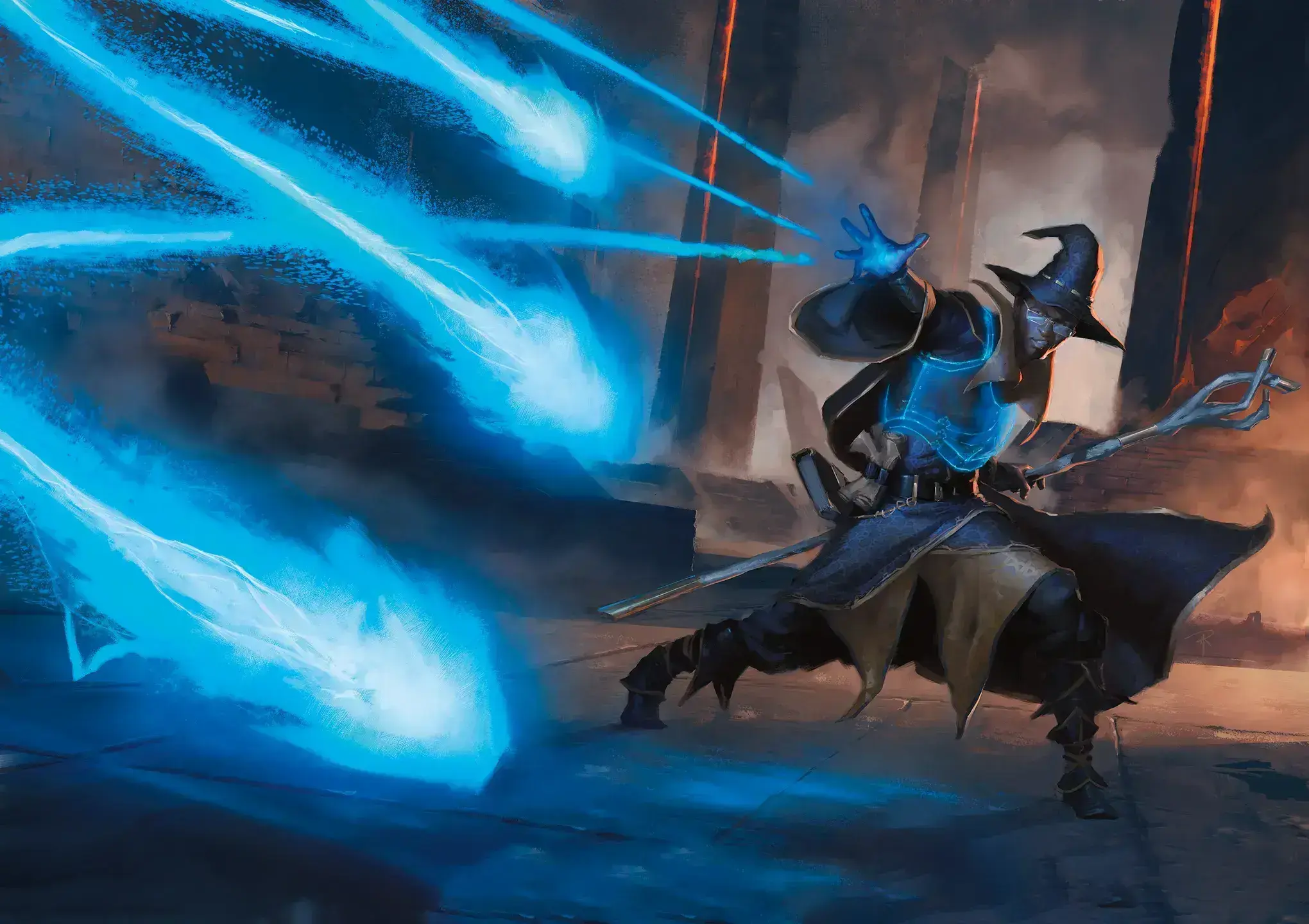 Arcane Magic is very precise and has rules to allow it to work. Complicated reactions using specific ways to get The Arcane Plane to react and bring magic forth into Lendahnna. Arcane magic uses Catalysts, or a source of primary power, that is from Mortals themselves, or harvested from another source without it being gifted. Using these reactions they produce wide amounts of magics. Typically, most practitioners of Arcane magic are well studied, however this is not always the case. Every effect that has been worked out by Mortals is not caused by a single method or reaction. Some may have large catalysts and messy forms of reactions, but others may use very little to do quite a lot in a precise manner.
Divine
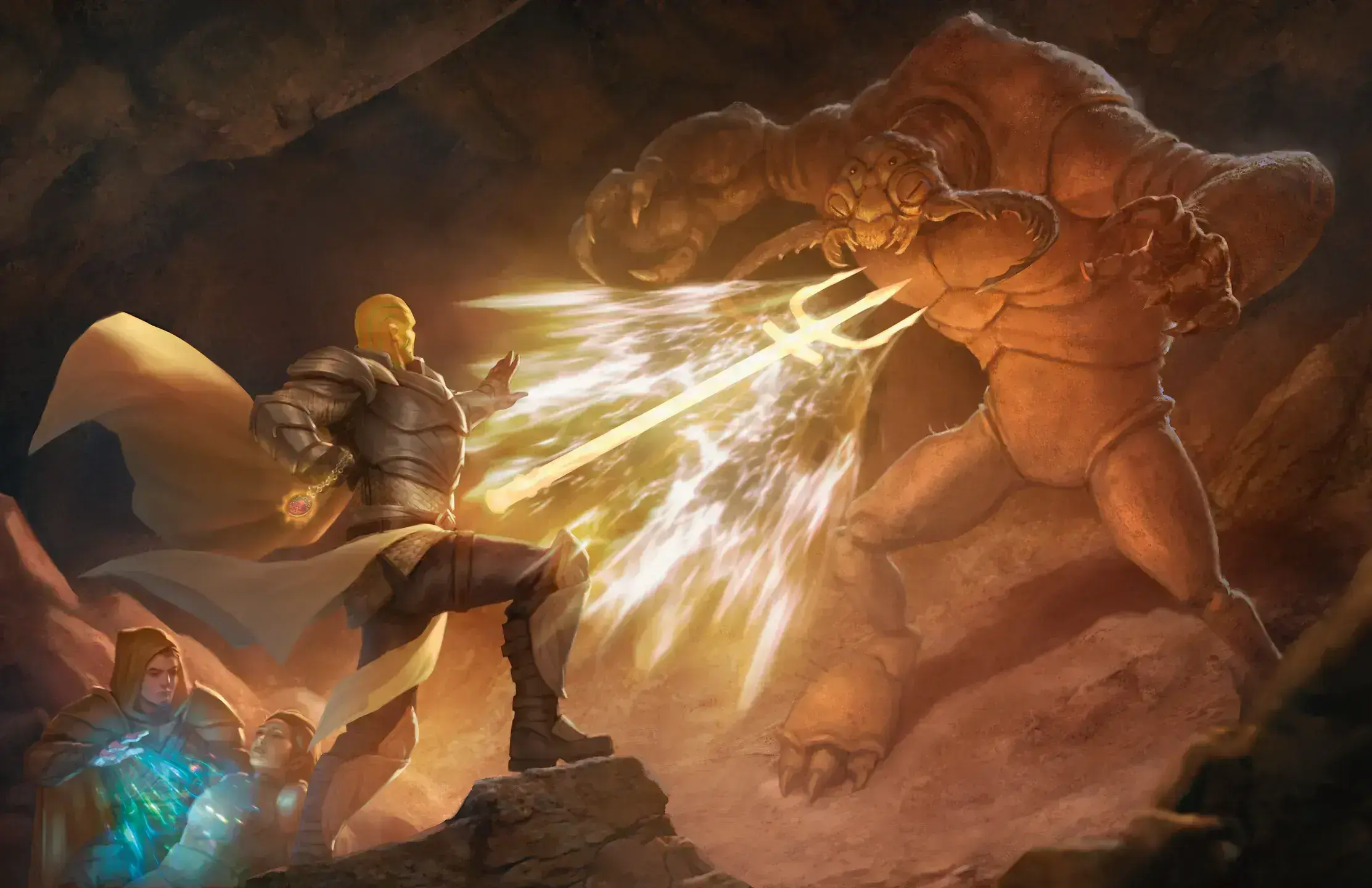 Divine Magic is magic that is formed not from Mortals directly, but from the beings on other Planes of Existence gifting it to Mortals. This means even things like Fiendish magic is also Divine. When Mortals performs Divine magic it performs magical components to commune with the entities giving them magic. The other entities then provide the catalysts and primary reactions on The Arcane Plane for the caster. However, some of these methods do not require the entity to actively send it everytime. For example, most Gods have long standing agreements with all Mortals so that when they perform rituals and rites, certain effects will occur using the Divine Magic. Other entities such as Devils, Demons, or Fey may actually need to be gifting the catalysts in real time.
Natural
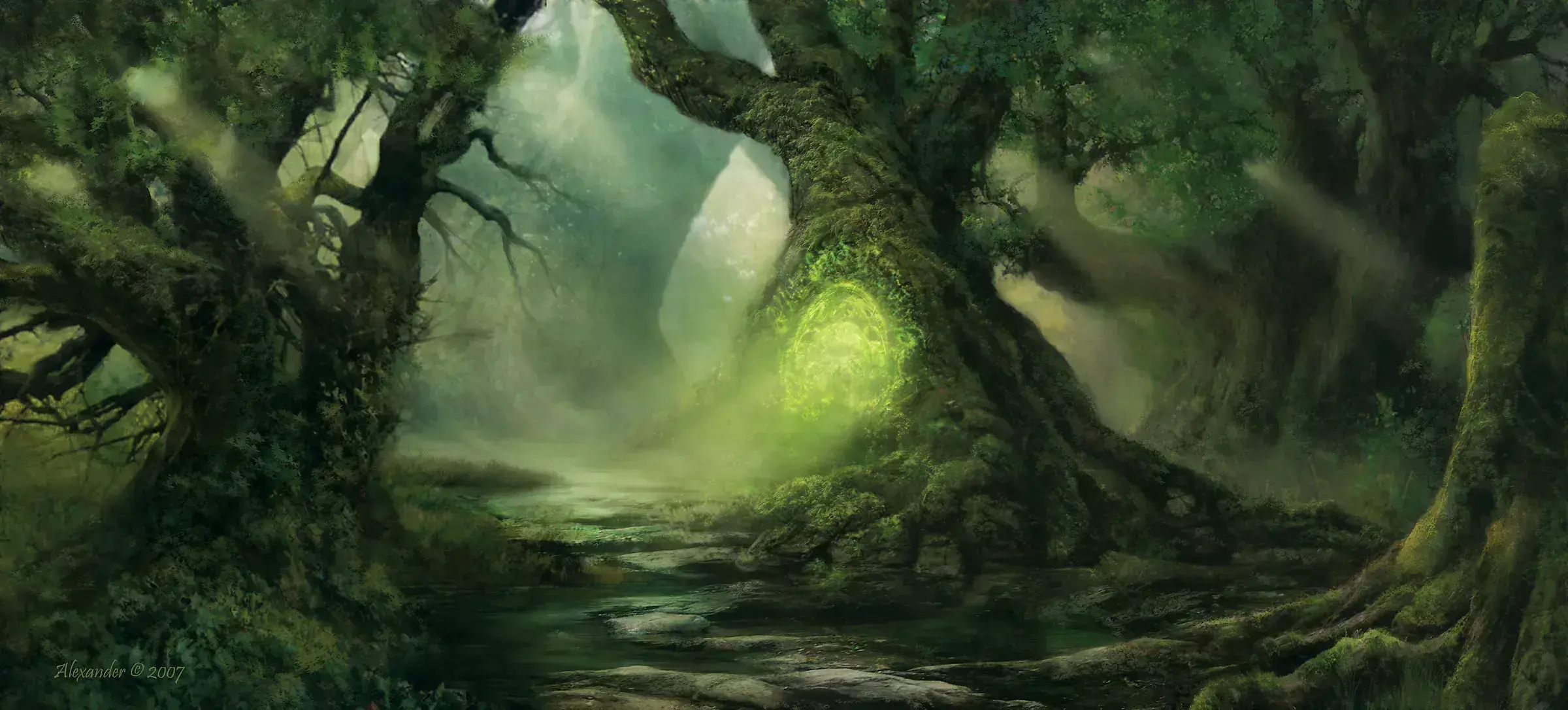 Natural Magic is magic that was left within Lendahnna during its creation. This magic rather than taking the form of The Arcane Plane, instead is imbued deep within the earth. This magic and life force, can be harnessed through bargains with the world itself. Rather than a practitioner using The Arcane Plane with their rituals or casting. They use it to commune with the world around them. Lendahnna then uses its own catalysts to create effects. Natural Magic is all about balance, using the right reagents and giving just as much back to the world as you take from it.
Fringe Magics
Fringe Magic come from those practitioners who are working with the mirror planes. These forms of magic sometime possessing partial support from other planar entities but still requiring general interactions with The Arcane Plane much as you would with Arcane Magic. Or perhaps the start of ones magic could have been started by another source, only to then be extended through study. In the world of Lendahnna Mortals do not refer to Fringe Magic. This is just a use for players to understand magic.
Interactions with The Arcane Plane
When using magic, regardless of its form, something interacts with The Arcane Plane. Below are the ways that practitioners of all kinds can interact with magic.
Spell Components
These are factors needed for casting spells. Some rituals may require more intricate usage of these components than others.
Verbal
Most magic requires some form of chant or incantation. These might be for the reactions itself, or perhaps as ways to appease the other planar entities. Verbal components cannot be hidden easily without other magical supplements and are able to be heard within minimum of five feet of the caster.
Somatic
Most magic also requires an interaction of body or motion to create magic. For Arcane Magic this may be touching points on The Arcane Plane to cause a reaction. For Divine or Natural Magic this may be performances for the other sources. Somatic components can be attempted to be hidden for smaller spells by skilled practitioners. But some rituals, this also includes the crafting of runes and therefore cannot be hidden.
Material
Some magic requires objects and items to assist as the catalysts for magic. For Arcane Magic this can be the actual items used for magic like science reagents. For other magics it may vary. Most material components can also be overruled by Magical Foci, listed below. For some magics certain materials of power are needed regardless of the presence of Foci.
Foci
Below are a list of Magical Foci, which are implements that can be used to cast magic. Most are for certain kinds of practitioners.
Staves
Staves are the most reliable form of Foci. These foci tend to cast spells alongside the caster. Taking the larger burden of casting upon the sturdier make up of the object. They can be made of wood, metal, rock, crystal, or any other number of material. Some staves do not need to be magical in their own nature to be used as Foci. Arcane and Natural Magic works well with Staves as their Foci.
Wands
Wands are intricate and delicate Foci. They tend to be catered towards certain practitioners. While not every practitioner is bound to a single wand. They are tempermental and fine objects. They are two parts, core and case. The Core typically is made of something inherently magical, but does not need to be solid. Things like magical dust, gems, magical creature parts, or other objects can be used. The Case can be more unique and some craftsman can make cases that are very different in construction. Some more basic wands have core and case in one. Wands allow their practitioners to cast catalysts through the wand rather than alongside their caster. This makes them mostly used by Arcane practitioners.
Rods
Rods are shorter versions of their Foci cousins in Staves. Most Rods are not made of wood. They tend to be favored by crafters and those who imbue other objects with magic. Some Rods are even attached to other arcanotech devices like arcane welders. For active casting of spells, Rods are a mix between wands and staves. They bear the burden of the magic but still need heavy guidance. Rods are used by Arcane and Divine practitioners primarily.
Orbs
Orbs are crafted carefully from various materials into firm and solid objects for magic. Orbs are typically used by those practitioners with a great deal of magic coming in towards them as part of their casting, be it The Arcane Plane or a Divine source sending heavy amounts of catalyst blow back. These Foci can be used to defend and redirect the errant energy back into Lendahnna. For Divine and Natural Magics, Orbs make a nice and comfortable choice with little motions. For an Arcane practitioner, Orbs are a very difficult foci to master as the motions for it’s Somatic components are complex, but also taking in a great deal of magic.
Crystals
Crystals are small Foci filled typically with another magical source. These Foci tend to work best for Divine or Natural Magics, but they can be used by Arcane users as well. Some crystals need only held and traced upon the air for The Arcane Plane. Other practitioners have been known to attach them to string, chain, or rope and swing the crystals around.
Component Pouch
Rather than a full Foci. This is a collection of small components used for interaction with magic. This is perhaps the most difficult but also most accessible form of Foci. Typically used by Arcane users who have mastered the catalytic reactions needed to form magic from The Arcane Plane. This method has practitioners interacting directly with the make up of the magic around them.
Sprigs
Sprigs are small collection of branches used only by Divine or Natural practitioners. These small pieces of nature typically come from blessed or powerful trees throughout the planes. Given their lack of Arcane Magic, they do not interact directly with The Arcane Plane.
Holy Amulets
Holy Amulets can take any number of form, and just like Sprigs do not interact directly with The Arcane Plane. Holy Amulets can only be used by Divine Magic sources and practitioners.
Reliquary
Reliquary are vessels that hold other more fragile holy relics within them. Beyond this, they function nearly identically to Holy Amulets.
Weapons and Shields
Some Weapons and Shields can function as magical Foci. For Divine or Natural Foci, this typically means they hail as magical gifts given to Mortals. However, beyond that some Arcane driven practitioners have taken time over history to craft weapons and shields that can interact with The Arcane Plane as well. These are rare, and require a great deal of practice as the wielder is not only dealing with the impact of combat but the feedback of The Arcane Plane directly upon themselves.
Emblemed Armor
Armor cannot be enchanted, with extremely rare exception, to be used as a Foci. However, some Divine practitioners do possess armor with holy emblems that can serve as their Foci. These Divine Relics are extremely powerful and typically locked away.
Other
There are other kinds of Foci that exist within niches of Lendahnna. Feel free to discuss or work out what kind of Foci you may want to create and what type of magic is being channeled with it.
Magic Practitioners
Anyone who can use magic is called a Practitioner. That said many do not use that title. The Classes that we play the game with may or may not be used within the world of Lendahnna. Below are brief descriptions of those practitioners of different Forms of Magic, and some titles that might be used to describe them.
Arcane Users
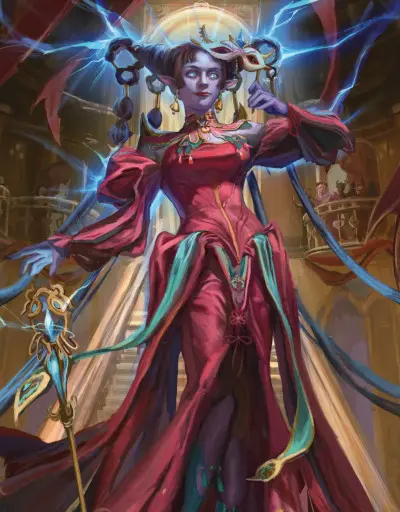 Arcane Practitioners are those who study and interact carefully with The Arcane Plane.
- Mages
- Wizards
- Sorcerers
- Warlocks
- Artificers
- Spellcrafters
- Practitioners
Divine Users
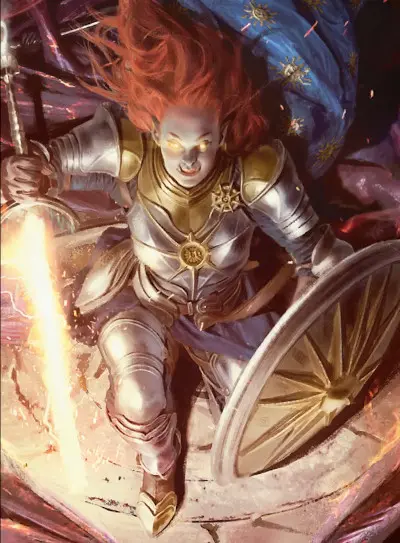 Divine Practitioners are those who are given power from another power, some that of Gods and some otherwise.
- Priests
- Mages
- Clerics
- Paladins
- Knights
- Warlocks
- Sorcerers
- Gifted
- Champions
Natural Users
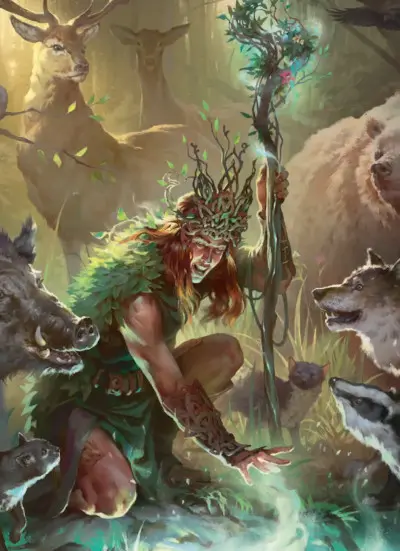 Natural Practitioners are those who commune with Lendahnna itself for magic. Working alongside it in balance.
- Druids
- Mages
- Clerics
- Paladins
- Rangers
- Champions
Class VS In World
Classes are mechanics. If you want to be an Arcane Cleric or a Divine Wizard those are things we can work out. This document largely discusses how the world of Lendahnna works, not how the game of Dungeons and Dragons works.